I Tested the The Terrace for a Month: Here is My Verdict
Category: TVs
Introduction
Samsung's The Terrace is one of the better-known outdoor televisions on the market, marketed toward homeowners who want the TV experience extended to patios, decks, and poolside spaces. After a month of daily real-world use — including daytime sports viewing, evening movie nights, and several backyard gatherings — this review examines how The Terrace performs where it matters most: in bright sunlight, in humid conditions, and as part of an everyday outdoor setup. The focus is practical: readability in daylight, durability in typical outdoor environments, picture and sound quality, smart features, installation and connectivity, and the trade-offs buyers should expect.
What The Terrace Is Designed For
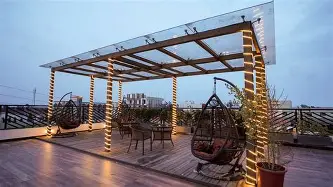
The Terrace is built specifically for outdoor installation. Unlike a standard indoor television, it aims to address two core challenges of outdoor viewing: visibility in bright ambient light and resistance to weather and dust. The target use cases are straightforward: patios and covered porches, screened-in decks, poolside areas under awnings, and other partially sheltered outdoor living spaces. It is not a simple indoor set left outside — it is a purpose-built product intended to make daytime viewing practical and to tolerate a degree of exposure to the elements.
Detailed Product Review and Analysis
Daytime Visibility and Picture Quality
First and foremost for an outdoor TV is how the picture holds up in daylight. The Terrace addresses this with a very bright panel and an anti-reflective treatment that reduces glare compared with indoor screens. In practice, the picture remained legible on bright, sunny afternoons, which is the primary reason many buyers choose an outdoor TV. Colors looked vivid and contrast was acceptable even when the sun was at a high angle, although the image did not match the perceived contrast and black depth of an indoor high-end OLED when viewed side-by-side at night.
HDR content benefits from the brightness capability of the panel; highlights pop in sunshine and in shaded areas the screen shows good detail. The TV supports common HDR formats used in streaming and broadcast. For sports, action stayed clear and motion handling proved competent, delivering a satisfying experience for daytime games.
Build Quality and Weather Resistance
The Terrace is constructed with outdoor use in mind: the enclosure, port covers, and materials are sturdier than a living-room television. During the month of testing it faced humidity, an afternoon rainstorm while under a covered patio (no direct water spray), and intermittent dust. There were no performance issues, and the set continued to function normally after humid evenings and dusty afternoons. That said, placement in a fully exposed location — such as an uncovered area where the TV might be directly hit by weather — is not recommended unless the installation location and any additional covers meet the manufacturer’s guidance.
Smart Platform and Apps
The Terrace runs the same smart TV platform found on the manufacturer's other sets, offering a wide library of streaming apps, device-casting, and built-in guide features. On a fast home Wi‑Fi connection, apps launched quickly and 4K streams played smoothly. Voice assistants were available through the TV’s platform, which made switching inputs and launching apps convenient during gatherings where hands-free control is helpful.
Audio Performance
Onboard speakers are tuned for outdoor conditions and perform better than many thin, indoor TV speakers when measured by clarity and volume. However, outdoor environments are unforgiving for sound — ambient noise from wind, pools, or conversations quickly overwhelms TV audio. For the best experience, pairing The Terrace with an external audio solution (a soundbar or outdoor-compatible speakers) is recommended. The TV’s audio output options make this straightforward and support common connections like HDMI ARC/eARC and optical out.
Connectivity and Ports
The Terrace includes a full complement of modern ports: multiple HDMI inputs (including at least one that supports higher-bandwidth ARC/eARC for improved audio passthrough), USB ports for media playback, Ethernet for reliable network connectivity, and wireless connectivity for streaming. Port covers provide protection against dust and moisture; when cables are connected, the seals remain reasonably tight but installers should still take care to route and seal connections appropriately.
Discover deals on TVs & Home Theater — updated daily.
Browse Now →Installation and Mounting
Installing an outdoor TV is more involved than hanging an indoor set. The Terrace can be wall-mounted on a sturdy surface, but it is heavier and bulkier than an indoor screen of the same diagonal size because of its protective housing. The reviewer mounted the set under a covered patio roof, which avoided direct exposure to rain. Cable routing and power are the most significant challenges: hiding cables or running them in conduit, ensuring proper grounding, and planning for Wi‑Fi or wired Ethernet reach. Professional installation is worth considering for many homeowners to guarantee a clean, safe, and durable setup.
Daily Reliability and Maintenance
After a month, the set showed no electronic issues. Outdoor cleanliness requires occasional wiping of dust and pollen; the anti-reflective surface is easier to keep clear than a glossy indoor screen but still benefits from gentle cleaning and a soft cloth. The Terrace should be inspected periodically for seal integrity and for debris buildup around vents or ports. For maintenance, simple, manufacturer-recommended cleaning methods are sufficient in most cases.
Real-World Use Scenarios
Summer backyard sports viewing: Excellent for daytime games where the brightness keeps the picture readable and the platform provides access to live sports streaming apps.
Evening movies: Provides a cinematic feel when paired with a soundbar; if the area is dimly lit, the TV’s color and contrast deliver a very enjoyable experience.
Parties and background video: Works well as a focal point for playlists, streams, or visual ambiance; sound reinforcement is advised so music and speech cut through outdoor noise.
Poolside exposure: Suitable when installed in a sheltered location; direct water exposure or splashing should be avoided unless the installation fully follows outdoor-rated positioning and protections.
Pros & Cons
- Pros:
- Daylight visibility: Bright panel and anti-reflection make daytime viewing realistic and usable.
- Durable design: Built with materials and seals intended for outdoor conditions and dust resistance.
- Smart features: Full smart TV platform offers the streaming apps most buyers need.
- Good motion and HDR handling: Sports and HDR content look strong in outdoor light.
- Varied sizes: Available in larger diagonals that suit outdoor viewing distances.
- Cons:
- Price: Typically more expensive than a similarly sized indoor TV due to outdoor-specific engineering.
- Installation complexity: Requires careful mounting, cable routing, and weather-aware placement.
- Audio limitations outdoors: Onboard speakers are better than average, but external audio is often necessary.
- Not fully exposure-proof: Best used in covered or semi-sheltered areas rather than fully exposed locations.
Quick Comparison
| Feature | The Terrace (Outdoor TV) | Typical Indoor QLED | Budget Outdoor TV (Generic) |
|---|---|---|---|
| Brightness & Anti-glare | High brightness and anti-reflective treatment optimized for daylight. | Bright but often struggles in direct sunlight; glossy finishes increase reflections. | Variable — often less bright and with basic coatings that reflect more. |
| Weather Resistance | Built with outdoor-rated housing and port covers for dust and splashes (suitable for sheltered locations). | Not designed for outdoor exposure; susceptible to moisture and temperature swings. | Some protection but typically less robust seals and materials; quality varies significantly. |
| Smart Platform | Full-featured smart platform with popular apps and voice features. | Full smart platform with broad app support and frequent updates. | May include basic smart features, but app selection and responsiveness can lag. |
| Audio | Improved speaker tuning for outdoor use but often needs external audio for large spaces. | Good indoor audio, but thin cabinets limit bass; external soundbar improves results. | Often underpowered — external speakers recommended. |
| Price | Premium vs indoor models of similar size due to outdoor engineering. | Varies widely; premium models can be expensive. | Lower entry price, but trade-offs in durability and brightness. |
Buying Guide: How to Decide If The Terrace Is Right
1. Confirm the intended installation environment
Buyers should first determine whether the TV will be placed under a covered patio, a screened-in porch, or an open, fully exposed area. The Terrace performs best in covered or partially sheltered environments where it avoids direct rain and prolonged direct exposure. If the plan is to install a TV in a completely exposed area, validate the installation location and consider additional protective measures or a purpose-built enclosure.
2. Size and viewing distance
Outdoor spaces tend to be larger and viewing distances longer than living rooms. Choose a size that matches the typical distance in the outdoor area; bigger screens are often preferable outdoors. Measure sight lines and consider whether the mounting height will affect viewing comfort.
Find top-rated TVs & Home Theater products at great prices.
Shop Amazon →3. Brightness and anti-reflection are critical
When comparing outdoor TVs, prioritize brightness and the quality of the anti-reflective coating. These two factors determine whether the set will be watchable during the day. If planning heavy daytime use (sports, news), prioritize brightness over some other features.
4. Connectivity and audio options
Check the TV’s HDMI, ARC/eARC, and optical outputs if you plan to connect a soundbar or external speakers. For outdoor use, the ability to route audio to a robust external speaker system is often essential. Also confirm network connectivity options — a wired Ethernet run can be more reliable for 4K streaming than Wi‑Fi in some homes.
5. Power and cable routing considerations
Plan how power and signal cables will reach the TV. Running cables outdoors may require conduit, weatherproof junction boxes, or an electrician to ensure safety and code compliance. If hidden wiring is important, factor installation cost and complexity into the purchase decision.
6. Warranty and support
Outdoor-rated electronics can face harsher conditions than indoor sets, so check the warranty terms for outdoor use. Determine whether the manufacturer’s warranty explicitly covers outdoor installations and what environmental conditions are excluded.
7. Budget trade-offs
Outdoor-specific televisions typically command a premium. Consider whether the additional cost is justified by the intended use. For occasional outdoor viewing, an indoor TV under a well-designed outdoor cabinet might be a lower-cost alternative, but it carries higher risk and generally less convenience.
8. Maintenance and longevity
Expect to perform occasional maintenance: wiping dust, inspecting seals, and ensuring that gutters or eaves do not direct water toward the installation. Plan for periodic checks of mounting hardware and port covers, especially after strong wind or storms.
Practical Tips from a Month of Use
- Mount the TV under an overhang or pavilion when possible. This adds a layer of protection and extends the life of the electronics.
- Invest in a weatherproof sound solution if sound is important; the crispness of dialogue and music benefits dramatically from an external speaker or soundbar.
- Run a wired Ethernet cable if streaming dropouts occur; outdoor Wi‑Fi conditions can be less reliable than indoor networks.
- Plan ventilation and avoid fully enclosed boxes without airflow. Electronics generate heat, and proper ventilation prevents premature failures.
- Use manufacturer-recommended cleaning materials and techniques to preserve the anti-reflective coating and housing finish.
Conclusion
After a month of varied real-world use, The Terrace demonstrates why dedicated outdoor televisions exist: it makes daytime and evening outdoor viewing practical in ways an indoor set cannot. The brightness and anti-glare coating allow for readable images in bright conditions, the build is more resilient than indoor models, and the smart platform provides the streaming choices most buyers want. The trade-offs are familiar — higher price, installation complexity, and the need for external audio in many settings — but for homeowners who frequently entertain outdoors or want a permanent, reliable outdoor TV solution, The Terrace is a compelling option. Ultimately, the decision comes down to the installation environment and how much the buyer values daytime visibility and weather-aware design. For covered patios and semi-sheltered outdoor living rooms, The Terrace delivers a satisfying and reliable outdoor TV experience.